
Mastitis control in dairy herds: milking routine, cell counts and dry-off
A herd plan for mastitis: contagious and environmental causes, the post-milking teat dip, cell-count targets, dry-off and residue-free milk.
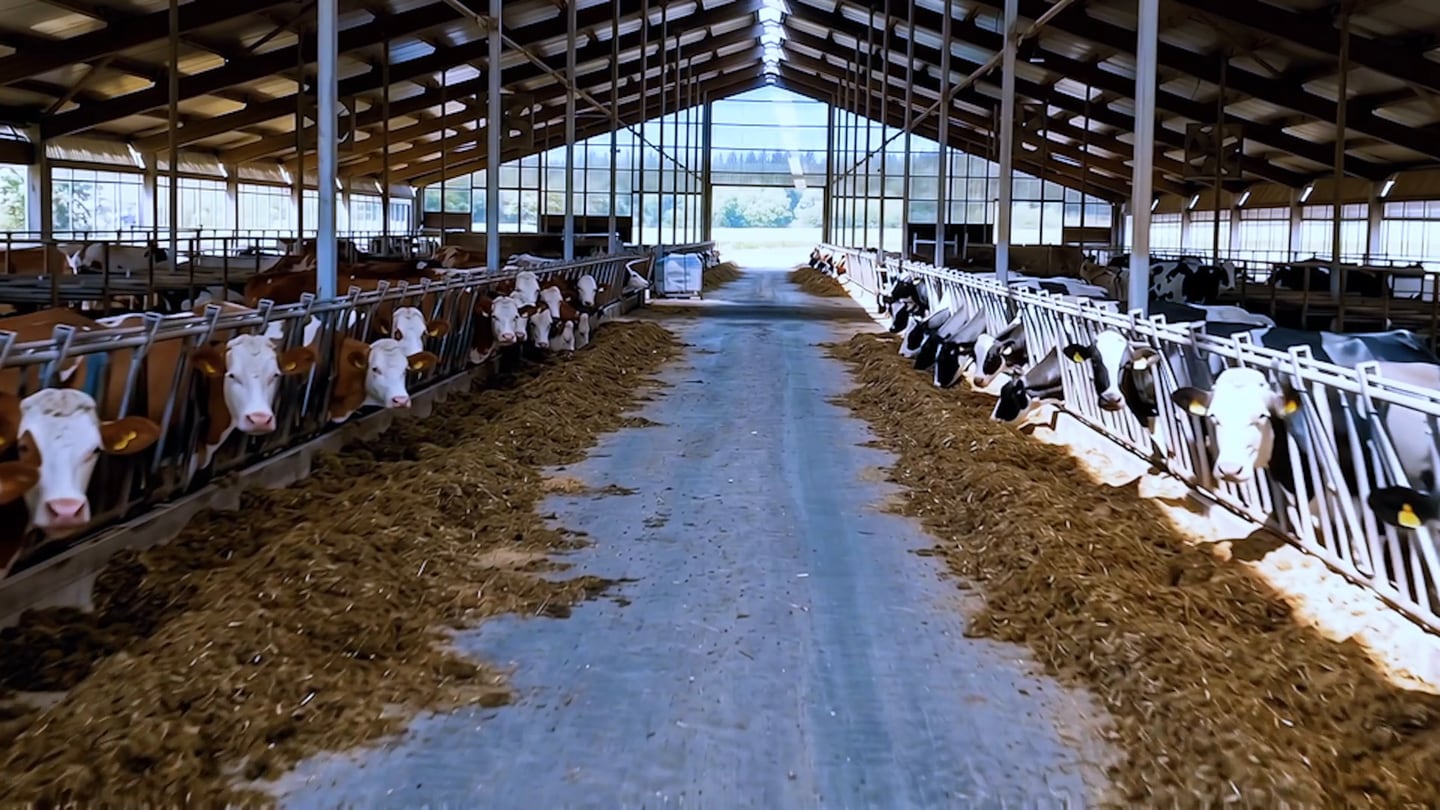
Most clinical mastitis in a dairy herd starts in the bedding and the parlour, long before anyone reaches for a tube. This herd plan for dairies in Egypt, Saudi Arabia and the UAE covers where infections come from, the milking routine, cell counts, dry-off and keeping treated milk out of the tank. Treatment choices stay with your herd vet.
The plan draws on the chapter Mastitis in Cattle in the MSD Veterinary Manual, written by Matthias Wieland of Cornell University (full review May 2024, updated April 2025). The manual’s publisher is the parent company of one of the manufacturers IFT represents, so we have set its advice beside two chapters of the Terrestrial Animal Health Code of the World Organisation for Animal Health (WOAH), on dairy cattle welfare and on the prudent use of antimicrobials.
Key takeaways
- Contagious bacteria spread from cow to cow during milking and are controlled in the parlour; environmental bacteria come mainly from bedding and are controlled in the stalls.
- A germicidal teat dip after milking is "the single most important management practice" against new contagious infections: every teat of every cow at every milking.
- Track bulk-tank SCC against 200,000 cells/mL, and screen the cows your records flag with the California mastitis test.
- Treat at dry-off, when there is no milk to discard, under a written protocol agreed with your vet.
- Record every treatment with its withdrawal end date, and keep that cow's milk out of the bulk tank until the date has passed.
Contagious or environmental: know which you are fighting
Mastitis bacteria fall into two groups, and each is controlled in a different place.
Contagious pathogens spread from cow to cow during milking. The manual names Staphylococcus aureus, Streptococcus agalactiae and Corynebacterium bovis. You control them in the parlour.
Environmental pathogens come from where the cow lives. Bedding is the main source; water, flies and contaminated teat dips can also carry them. In most herds, according to the manual, clinical mastitis is environmental, and coliforms are the most common cause of severe clinical cases. You control these in the stalls, between milkings.
Ask your vet to culture milk from clinical cases so you know which group leads on your farm and where to put the effort.
Contagious or environmental: where each is controlled
Contagious
Controlled in the parlour
- Staphylococcus aureus, Streptococcus agalactiae, Corynebacterium bovis
- Spread from cow to cow during milking
- A post-milking teat dip is the single most important practice against new infections
Environmental
Controlled in the stalls, between milkings
- Bedding is the main source; water, flies and contaminated teat dips can carry them too
- Behind most clinical mastitis in most herds
- Coliforms are the most common cause of severe clinical cases
The milking routine
In the manual’s words, a germicidal teat dip after milking is “the single most important management practice” for preventing new contagious infections. Dip every teat of every cow at every milking.
The rest of the routine supports it:
- a pre-milking germicide, as a spray or a dip;
- one towel per cow to dry the teats;
- gloves on every milker’s hands;
- units attached 60 to 120 seconds after the teats are stimulated;
- no overmilking;
- infected cows kept apart where possible, and units cleaned after an infected cow is milked.
WOAH adds the welfare side (Article 7.11.7, point 12). Milk calmly. Pay attention to the hygiene of staff, udders and equipment. Check every cow for abnormal milk at every milking. Keep waiting times before and after milking short, and let first-calf heifers get to know the parlour before they calve.
Somatic cell counts and the California mastitis test
Subclinical mastitis leaves the milk looking normal, so you find it through the somatic cell count (SCC).
| Measure | Figure | What it means |
|---|---|---|
| Cow SCC | 100,000 cells/mL | Inflammation and a fall in milk quality can start at this level |
| Cow SCC | 200,000 cells/mL or more | The cow is likely to be infected |
| Bulk-tank SCC | Below 200,000 cells/mL | Our working target, because the manual flags herds above this level |
| Bulk-tank SCC | Above 200,000 cells/mL | The herd is a poor candidate for selective dry-cow therapy |
The manual names the California mastitis test (CMT) as one way to test milk for cell counts and find subclinical cases. Use it on the cows your cell-count records flag, and write each result on the cow’s card.
Dry-off: treat when there is no milk to discard
Treating at dry-off costs less than treating in lactation and avoids the risk of residues in milk, the manual points out.
- One tube per quarter is enough, given straight after the last milking of the lactation.
- An internal teat sealant, put in after the antibiotic tube, forms a physical barrier and further reduces new infections.
- Selective dry-cow therapy treats only the cows found to be infected at dry-off. Its criteria have to fit your herd and should cover at least each cow’s clinical mastitis history and her individual SCC.
Agree the dry-off protocol with your vet in writing.
Bedding, flies and heat
Bedding is where most environmental bacteria come from, so clean or change it regularly. Inorganic bedding such as sand supports less bacterial growth than plant-based material such as straw or sawdust.
Three controls for environmental mastitis
Heat counts as well. The manual lists reducing heat stress among the practices that help control environmental mastitis, and our guide to heat stress in dairy cows sets out a summer plan for Egypt and the Gulf.
Teat-end dermatitis caused by horn flies has been linked to a higher risk of infection in heifers, especially in warmer climates, so put fly control for the heifer pens into the plan.
Check the milking machine
The manual calls for routine evaluation of the milking equipment to make sure the vacuum at the teat end is at the right level and stays stable during milking. WOAH asks that machines be used and maintained in a way that keeps injury to teats and udders to a minimum. Book the checks with your equipment technician and log the date of each.
Treat with the vet, and record the withdrawal date
WOAH asks producers to draw up a health plan with their vet that includes a mastitis control plan, and to use antimicrobials only on prescription (Article 6.10.7). The manual adds three practical points. Culturing before treating mild clinical cases can cut antimicrobial use for those cases by 50 to 75%, with results usually back within 24 to 48 hours. Extending a course without need adds to the cost of discarded milk and risks residues in the milk you sell. And multi-dose vials labelled for systemic use should not go into the udder.
Culture before treating mild clinical cases
- Less antimicrobial use for those cases
- 50 to 75%
- The usual wait for results
- 24 to 48 hours
The withdrawal times quoted in the manual are US approvals and do not apply here. Follow the withdrawal period on the label of the product as registered in your country, or the one your vet prescribes. WOAH asks producers to comply with withdrawal periods and record them, including the date each one ends. For every treatment, write down:
- the product, its active substance, batch number and expiry date;
- who prescribed and who supplied it;
- the date, the cow, the dose and the condition treated;
- the withdrawal period and its end date;
- any laboratory result, and whether the treatment worked.
That cow’s milk stays out of the bulk tank until the end date has passed. WOAH also asks you to tell your vet about disease that keeps coming back.
Chronic cows
Some cows do not clear their infection. For cows whose mild cases keep coming back, the manual suggests drying off the affected quarter or culling the cow, and it calls the rate of relapsed cases the best measure of whether treatment is working. Use your case records to list the cows that keep relapsing, and decide with your vet which of them leave the herd.
Your herd mastitis checklist
- A written mastitis control plan, agreed with your herd vet.
- Post-milking teat dip on every teat at every milking.
- Pre-dip, one towel per cow, gloves, units on 60 to 120 seconds after stimulation, no overmilking.
- Every cow checked for abnormal milk at every milking; infected cows kept apart where possible.
- Bulk-tank SCC tracked against 200,000 cells/mL; flagged cows screened with the CMT.
- A dry-off protocol covering tubes, sealants and any selective criteria, signed off by the vet.
- Bedding cleaned or changed on a schedule, flies controlled, heat stress managed.
- Milking equipment evaluated regularly, each check logged.
- Every case and treatment recorded, with the withdrawal end date.
- Chronic cows reviewed with the vet.
Where IFT fits
IFT has worked in livestock since 2001. Our livestock division works with 11 veterinary partners and offers 51 products to cattle, sheep and goat producers in Egypt, with technical support on the farm. RunuO, our ruminant affiliate, has seven sales executives covering 23 of Egypt’s 27 governorates.
To go through your mastitis plan with a livestock vet, tell us your herd size, your country and your latest bulk-tank count.
Talk to IFT: Contact Us.
Sources
- Wieland M. Mastitis in Cattle. MSD Veterinary Manual. Full review May 2024, last updated April 2025.
- World Organisation for Animal Health (WOAH). Terrestrial Animal Health Code, Chapter 6.10: Responsible and prudent use of antimicrobial agents in veterinary medicine, Article 6.10.7.
- World Organisation for Animal Health (WOAH). Terrestrial Animal Health Code, Chapter 7.11: Animal welfare and dairy cattle production systems, Article 7.11.7.
By IFT Technical TeamLivestock